The 7 Skills Essential To Beat Fear

Research exhibits that fixed negative self-talk will increase stress hormones in your physique, weakening your immune system. Your brain sends 1000’s of ideas every day, and some can lure you in a cycle of worry and self-doubt. Learning to identify these negative patterns works like a psychological detector, helping you catch dangerous thoughts before they spiral out of control. Looping thoughts usually feel like they hold repeating without resolution. You might discover yourself constantly rethinking the same state of affairs, feeling caught in a cycle, or looking for an answer to an issue that doesn’t appear to end.

Our makes an attempt to take care of control can lead to obsessive thoughts, compulsive behaviors, distorted beliefs, and an general sense of unease. I truly have a handful of meditation strategies in my toolbox, but I typically resort to simple breath meditation for thirty minutes a day to help ground me within the current moment. Catastrophizing can turn out to be a self-perpetuating cycle, as adverse thinking can reinforce itself over time.

Mindfulness brings your focus to the current second, helping to disrupt intrusive thought patterns. It is more common in individuals who have skilled trauma or grew up in extremely anxious or overprotective environments. However, this technique backfires as a outcome of it fuels continual anxiety and dread greater than it supplies any real protection. In reality, nearly all of our worst fears by no means come true – however we undergo through them anyway in our creativeness.

It convinces us that maintaining the established order is the best plan of action, that what’s familiar—however unfulfilling—is preferable to the unknown. If worry is a survival intuition, then overcoming it is not about eliminating worry, however about altering our relationship with it. We should train the mind to recognise that progress just isn’t a threat, but a necessity.

You can rework your relationship with concern through constant apply. Remember, freedom from fear isn’t about eliminating it totally, but about developing the confidence to move ahead despite it. You don’t should maintain living with that fixed sense of tightness in your chest, or the mental exhaustion that comes from overthinking every element. With the proper instruments and the right support—you can experience actual, lasting reduction. Fear-based pondering is a psychological habit where anxiousness, doubt, and fear dominate your ideas. These are symptoms of a looping fear circuit within the brain—especially involving the amygdala, your brain’s worry center.

That’s why anxiety persists despite your efforts to overcome it. Closed-loop thinking feels convincing as a outcome of it’s driven by emotion, not logic. Your brain prioritizes emotionally intense thoughts — like worry or shame — over rational reasoning.

One day, after a particularly tough episode of overthinking, she went for a run. Instead of analyzing each word she had spoken, she targeted on the rhythm of her ft hitting the pavement and the cool air on her pores and skin. By the top of her run, her anxious thoughts had loosened their grip.

These adverse thought cycles significantly impact psychological health, contributing to conditions corresponding to despair and anxiousness. The thoughts can manifest into self-fulfilling prophecies, where the anticipation of adverse outcomes results in elevated dissatisfaction and concern. Ultimately, recognizing and addressing these harmful thought patterns is crucial for enhancing mental well being and fostering resilience. Support methods play an important role in overcoming fear and doubt, helping people to interrupt via the psychological obstacles that may hinder personal progress.

Imagining completely different scenarios makes us really feel as though we’re prepared, even when the scenarios are unlikely to happen. This sense of management can be comforting, even when it’s primarily based on speculative pondering. Paralytic considering prevents motion, leaving you caught in a cycle of overthinking and self-doubt. This sort is constructive, specializing in potential risks to organize for challenges.

Yet, you don’t worry driving, which has a one in a hundred and one threat nationwide. For example, an individual afraid of flying has a concern the airplane will crash and they’ll die. The fact is that the actual risk is simply one in 11 million. For each outrageous reality about worry, there are likely three extra that significantly cut back the worry. So all your mates need to see Twister 2 when it comes out? Carefully evaluation who you follow on social media to forestall being emotionally gut-punched whereas scrolling.

Research exhibits that mindfulness practices may help people observe their thoughts without judgment14. For years, I let worry dictate my decisions without even realizing it. It wasn’t till I hit a breaking point that I understood how much it managed my life. Breaking free from this cycle required a shift in mindset—a acutely aware effort to switch computerized reactions with intentional responses. Fear has a way of sneaking into your thoughts, typically with out you noticing.

– Avoidance reinforces the idea that social situations are harmful. Imagine your character as a vessel steering through life’s waters—some ships are constructed to climate storms, others capsize extra simply. Yes, you’re extra vulnerable to concern if you score excessive in neuroticism, which amplifies risk notion. You’ll find stimulants efficient for ADHD-related paralysis, while SSRIs usually cut back anxiety-driven hesitation.

Fear-based thinking is amongst the most typical mental barriers—and one of the paralyzing. Fear of failure, fear of judgment, worry of not being enough… these ideas can hold you taking half in small or stuck in “what-if” loops. “So often we get to our vacation spot with no real consciousness of the journey,” says Fabrett.

It is a radical change in the way in which you react to anxiousness that can let you cease seeing it as your enemy. And it is exactly in the intervening time if you “empty” it of the scary meaning, that you just cease fearing it and you don’t need to run away from it. If we feel claustrophobia, for example, we’ll avoid closed spaces and if we feel anxious talking in public, we’ll try to avoid most of these conditions by all means. In this way we begin to structure our lives and make selections primarily based on the contexts that we need to keep away from, with the aim of not experiencing these disagreeable symptoms again.

It’s more about seeing what’s going on with gentle consciousness, even if it’s messy or uncomfortable. In relationships, these ideas might trigger misunderstandings. You might assume somebody is upset with you, even when they’re not. Or you would possibly take issues personally that have been never meant to harm you.

The OCD cycle is fueled by intense anxiety in addition to an overwhelming need to search out reduction. Your mind is a studying machine, and it learns greatest through reinforcement. To actually rewire it for bravery, you have to consciously acknowledge your small victories. Did you truly communicate up in that assembly when your coronary heart was pounding? Real strength comes from displaying up persistently for small, manageable classes that add up over time. It’s the very same with bravery; each little courageous act you take builds your resilience for the larger stuff down the highway.

In the next sections, we’ll dive into methods to channel “what if” thinking constructively and break away from its unfavorable effects. Take time to reflect on the state of affairs earlier than leaping into action. Check in with yourself about why you’re feeling fearful and try to establish any underlying assumptions or beliefs that could be driving those feelings of anxiety. Once you’ve readability about what’s causing your apprehension, it’ll be simpler to decide if taking action is truly warranted. The fourth step in overcoming fear-based decisions is to determine your core values. This isn’t a one-time factor; it’s an ongoing strategy of self-reflection and development.

For example, people with binge eating dysfunction usually limit meals after a binge, believing they want to make up for overeating. However, consuming regular meals after a binge can provoke anxiousness, as guilt from the episode intensifies the urge to restrict. Whether following a binge or not, restriction typically stems from nervousness about weight management.

Here are 7 grounded, sensible methods to break free from fear-based thinking and start residing the way you were meant to. Surround yourself with people who help and encourage your determination making process. Find mentors in your life that will maintain you accountable when essential. This may imply friends, members of the family, therapists, or coaches – anyone who will pay attention and provide valuable advice on how to greatest move forward.

Psychologists observe that turning a minor setback into a definitive disaster fuels hopelessness, frustration, and avoidance. This behavior can lead to heightened nervousness, bodily stress responses, and a lowered confidence in dealing with problems. This pattern of catastrophic thinking – assuming the worst attainable consequence is certain to occur – could be exhausting and distressing. The excellent news is that you could escape of this anxiety spiral. Do you usually jump straight to worst-case situations in your mind?

For occasion, athletes typically visualize themselves succeeding of their events, which boosts their confidence and focus. You can adopt comparable practices by envisioning yourself maneuvering via troublesome social conditions or public talking engagements. Practice these mindfulness tips throughout some of your much less extreme instances of fear and nervousness. When you recognize your worry signs arising, sit down and think about what is going on to you. Just sit and hold monitor of your self because the moment continues.

Focus on finding good qualities about your self through every day journaling and self-reflection exercises. Breaking free from negative thought patterns takes follow and dedication. You can be taught simple but highly effective methods to identify harmful thoughts and replace them with balanced thinking. People who struggle with persistent adverse ideas typically face a better danger of heart illness and other well being problems. This connection between mental stress and physical well being factors to the significance of learning effective coping methods. She leverages know-how, design, marketing, and finest on-line practices to inform shopper stories and improve scholar experience.

Writing down adverse ideas and tossing them away helps reduce their power over you. Studies present this physical act of discarding ideas decreases their mental impression. Practice mindfulness to spot these thought patterns early. Breaking this connection requires lively steps to problem harmful thought patterns.

The essence of tension is worrying about potential threats and attempting to cope with future adverse occasions. Avoidance behaviors contribute to nervousness as individuals try to reduce anxiousness by avoiding conditions or utilizing safety behaviors. These avoidance techniques could present short-term relief but often lead to elevated nervousness over time.

” Understanding the purpose of your worry can help you reshape it right into a driving pressure. For instance, if you’re afraid of public talking, this worry can encourage you to organize and practice, transforming anxiety into a productive consequence. By being aware of those indicators, you can start to deal with and manage your fears.

The essential factor to recollect is that this happens to everybody. It’s a traditional a half of how our minds work, however with awareness and apply, we are able to learn to let go of those loops and discover peace. A 2019 research looked at mindfulness, self-compassion, and disgrace. It discovered that individuals who practiced mindfulness had been much less prone to expertise high ranges of shame. But shame isn’t proof that you’re a “bad particular person,” and it doesn’t mean you want to harm or punish your self.

The amygdala, a small construction deep within the brain, detects threats and triggers the body’s fight-or-flight response. In individuals with panic dysfunction, the amygdala becomes hyperactive, misinterpreting harmless situations as dangerous, resulting in sudden and overwhelming concern. CBT for Panic Disorder helps by educating individuals to reframe these fearful thoughts and progressively reduce the amygdala’s overreaction. This therapy works through strategies like cognitive restructuring, publicity therapy, and relaxation methods. Individuals acquire higher management over their emotional responses by studying to establish and modify anxious thoughts. Unlike short-term options, CBT for Panic Disorder empowers people with lasting methods to prevent future attacks.

An anxiety cycle is a sample of avoiding something that makes you anxious, leading to short-term aid however long-term increased anxiousness. Understanding and recognizing your individual anxiousness cycle is essential for overcoming it. This article explores strategies to interrupt out of an nervousness cycle, addressing both quick coping methods and long-term treatments. Get help if negative ideas have an result on your every day life or result in phobias, post-traumatic stress, or ideas of violence.

One of the most effective strategies is mindfulness practices. Techniques like meditation or the Five Senses Exercise may help ground you within the current second, significantly reducing the frequency of intrusive unfavorable ideas. Incorporating constructive affirmations into your day by day routine can considerably shift your mindset.

Although challenging unfavorable self-talk can be tough, it may possibly assist you to feel higher. This negative self-talk may be self-destructive in itself and can make you feel worse about yourself. The point is not to avoid your triggers however to explore why they make you are feeling that means.

Instead of questioning whether or not I’ll fail or be embarrassed or liked, I’ll strategy my fears with grace and perhaps even a little little bit of unjustified certainty. At times, it’s felt like I’ve built whole psychological cities around my fears. It’s wild how much space worry can take up, how a lot you need to shrink yourself to reside inside its confines. It shackles doubt to your whole concepts so that you can’t even imagine acting without first weighing all of the possible outcomes. As you continue on this path, remember that flexibility is vital – both in the methods you employ and in your expectations. Be open to attempting new approaches, and keep in thoughts that what works today might must be tweaked tomorrow.

What works for one person may not work for another, and it could take some trial and error to search out the right strategy. It may feel exhausting proper now, but we’ll work via it together. Of course, therapy can help you handle your symptoms too. You usually are not broken—you’ve just learned patterns that not serve you. You know that internal voice that tells you you’re not doing sufficient, or that everything will crumble should you mess up once? That voice isn’t truth—it’s often a sample of distorted thinking.

Your amygdala—and the fear response it generates—is useful to your survival in large part as a result of it by no means forgets potential risks. It’s an unconscious, non-dated, never-expiring memory, whose job it’s to generalize these fearful memories as broadly and as incessantly as attainable, to maintain you as “safe” as attainable. Walking via life with religion and braveness means trusting God at each turn.

Beyond self-reflection, gratitude creates a powerful shift in our mental state. Starting every day with thankfulness pushes away negative ideas and builds a more healthy mindset. A easy practice of listing three good things day by day helps break unfavorable thought patterns.

Self-doubt can become problematic if we begin believing what our thoughts tells us about ourselves. Even although you want to do these things, paying too much consideration to limiting beliefs might make you’re feeling as though you aren’t capable or proficient enough to pursue them. Often, the most tough challenges to beat are those within us. The more you lean into spiritual practices, the more your bodily mind aligns with peace, knowledge, and forward movement.

And as a substitute of arguing with our thoughts, we forge a different relationship with them—one based on acceptance, whereas we select actions that are in line with our values. The limitations of conventional CBT led me to mindfulness- and acceptance-based approaches, and to the work of Dr. Steven C. Hayes, creator of Acceptance and Commitment Therapy (ACT). I just lately spoke with Hayes on the Think Act Be podcast and explored with him the professionals and cons of a cognitive-based strategy to anxiety—and why acceptance may be so highly effective.

Sometimes you simply want to choose a lane and study as you go. Once you understand what’s causing the lag, you’ll find a way to reboot your mindset, clear the cache, and get again to crushing your objectives like the main character you are. These tools train your mind to respond rather than react. How this tech entrepreneur went from dwelling in his mother and father’ basement with just 33 cents in his financial institution account—to turning into the CEO of a groundbreaking email service supplier.

how to break fear-based thinking

Here are sensible approaches that will assist you manage and take care of intrusive ideas successfully. Controlling intrusive thoughts starts by changing the way you understand and respond to them. Intrusive ideas are unwanted mental pictures or concepts that usually really feel overwhelming, however they’re a standard part of the human experience. By recognizing that these ideas are just that—thoughts, not truths—you can start to regain management and scale back their impression. Intrusive ideas may be unsettling, persistent, and difficult to manage, however they are a typical part of the human expertise. But anxious ideas and feelings are usually common, ranging from worry to worry to pressure.

My siblings and I had no selection however to inhale the second-hand smoke daily. Even our clothes and college books smelled like an ashtray. My mother, my first function mannequin, was so scared of the world.

Every selection has pros and cons, and by deciding inside a set timeframe, you’re acknowledging that you’ve weighed your options to the best of your capacity and are ready to move forward. You don’t must eliminate all your thoughts to really feel peace. By observing your ideas as a substitute of reacting to them, you construct what’s known as cognitive flexibility—a key trait in managing nervousness and emotional overwhelm. Virtual intensive treatment together with exposure therapy, treatment administration, and more. Clinical meta‑analyses support cognitive restructuring as a core mechanism throughout these diagnoses.

Fear-based conditioning is like a twisted version of Pavlov’s famous experiment. Instead of dogs salivating at the sound of a bell, imagine people trembling on the mere mention of a specific group or idea. It’s a course of that depends closely on repetition and reinforcement. The more we’re exposed to a selected fear-inducing stimulus, the stronger our worry response becomes. It just isn’t meant to substitute skilled assistance or private mental health remedy by a certified clinician.

OCD thrives on the idea that you need absolute certainty. OCD overestimates danger and makes uncertainty really feel like an emergency, convincing you that when you don’t determine issues out right now, something horrible will occur. The first step in breaking negative thought patterns is to determine them. This means turning into more conscious of your thoughts and recognizing when they are irrational or distorted.

I have a reasonably good thought of what works for me and what doesn’t, so I’m significantly better geared up to make selections that may lead to constructive outcomes. Many of us wish to embrace change and expertise growth, but that course of could be hard. These five lessons have helped me so far—and they may be simply what you should take the subsequent step ahead.

In short, it’s a psychological loop that makes you replay certain wired-in thoughts, emotions, and behaviors to protect yourself. Fear is often connected to sure core beliefs you developed in the past. At the time, they could have protected you from a perceived risk. They induce the tremendous stressful fight-or-flight mode, even when you’re not in any real hazard. You in all probability clicked via to this article as a end result of deep down (or actually clearly), you realize some kind of concern is stopping you from moving ahead in life. I applaud you for realizing this—it’s the essential first step!

Most significantly, the staff developed from a culture of worry and blame to one of open communication and shared accountability for enchancment. The consequence demonstrated how shifting from fear-based to rational decision-making can flip a disaster into a possibility for organizational progress. Even after you’ve overcome a big fear, it’s important to develop long-term coping methods to prevent relapse and continue constructing resilience. Overcoming fear is a process, and setbacks are a normal part of the journey.

One effective method to begin this process is thru introspective exercises. One thought triggers one other, and all of a sudden your mind is racing in every path. Over time, this mental overload can result in stress, anxiety, and even impact your capability to sleep or focus. Why does it always happen proper when you’r e about to fall asleep??

By imposing a time limit, you force your mind to give consideration to what actually matters, lowering the psychological muddle that feeds overthinking. When ideas spiral, the brain’s emotional centres go into overdrive. Cognitive labeling merely naming what you’re feeling prompts the prefrontal cortex and helps regulate emotional responses. Exposure and response prevention (ERP) is amongst the best remedy modalities for OCD. This remedy, which is a type of cognitive behavioral remedy (CBT), goals to assist you confront your fears via deliberate publicity strategies. While this kind of therapy may sound overwhelming, it is the first-line therapy for OCD and has been proven to be useful in approximately 80% of instances.

Even if someone compliments you, your mind filters it out as irrelevant. I perceive your hesitation as a end result of I’ve stood precisely where you are actually, doubting whether or not external help would make a significant distinction in overcoming my limitations. Your childhood experiences turn into your grownup operating system. When early trauma occurs, your brain’s threat detection system turns into hypersensitive—like an alarm that rings for every customer, not just intruders. Too relaxed, and your response time slows; too anxious, and you freeze.

Anxious considering patterns may be overwhelming and exhausting. There’s light at the finish of the tunnel, and we’re right here to help you find it. Fear is rooted in the amygdala, the part of your brain answerable for detecting threats.

Hop in the automobile or take a walk so you can actually give this voice a piece of your thoughts. The bigmouth in your head is a continuous move of fear-based thoughts, defensive feelings and beliefs that have been built from previous experiences. Overthinking might seem innocent or even useful but it quietly drains your time, energy, and focus. When your ideas spiral, your mind burns by way of mental sources, leaving you foggy, fatigued, and stuck in indecision. This doesn’t mean dealing with fear without any preparation or support; instead, it means approaching difficult situations with resilience and willpower. Social connection helps scale back feelings of isolation and fear.

In this guide, we’ll unpack how pain works, why worry often intensifies it, and most importantly, how one can take sensible steps to regain management. Think of this as your roadmap to breaking free from pain’s grip. Self-monitoring often involves maintaining a journal or utilizing digital tools, where people can document their daily experiences, mood changes, and reactions to situations. This practice not solely keeps people engaged in the therapeutic process but in addition fosters a way of accountability and self-awareness. Over time, the accumulated data present an in depth map of progress, highlighting areas of enchancment in addition to challenges that also need addressing.

Knowing all you realize now, you’re properly on the road to overcoming fear and anxiety. Writing about your ideas and emotions may help you establish what barriers are standing in your method — and why they exist. Journaling can have many mental health benefits, similar to serving to you course of emotions, relieve nervousness, and work out your true emotions about conditions.

When we overthink, we get caught within the brain’s default mode network, which is answerable for self-referential thinking—basically, endless loops about the past and future. Overanalyzing doesn’t clear up problems; it just keeps anxiety alive. Engaging the body disrupts this cycle by activating the brain’s present-moment-focused networks, bringing immediate relief.

Mindfulness is a strong device that may assist in cultivating awareness. By training mindfulness, we will bring our consideration to the present moment, allowing us to expertise life because it unfolds with out judgment or attachment. Practicing consciousness allows us to become the empowered observers of our personal minds, enabling us to break free from the grip of fear-based thinking. By developing this heightened consciousness, we are ready to cultivate a sense of clarity and detachment, permitting us to answer challenging conditions with mindfulness and intention. Mindfulness is the follow of being fully current within the moment, observing our thoughts, emotions, and sensations without judgment. By cultivating mindfulness, we can turn out to be aware of fear-based ideas as they come up and consciously choose not to be controlled by them.

But after I share the instruments in Day 17, you won’t want to because you’ll see that a fight for your excuses is a battle for a lower than fearless life. In Day 20, you’ll revisit the final 10 days to give yourself credit score for the hard work you’ve been doing plus, remind yourself of what’s ahead. Without momentum, we lose hope and lose our impressed motion.

This might involve counseling, prayer ministry, or simply spending time with God in silence. Seek God’s intervention in your life and ask Him to break the spirit of worry. Be particular in your prayers, asking God to remove any strongholds of concern and to fill you with His peace.

Encourage them to seek professional assist, but also be conscious that recovery is a journey that takes effort and time. It’s worth noting that the anticipation of encountering the phobic object or situation may be just as distressing because the precise encounter. This anticipatory nervousness can lead to significant avoidance behaviors, which we’ll talk about in additional element later. If you’re fighting how to stop intrusive thoughts, you don’t have to face it alone.

Over time, this will result in self-doubt and a belief that we’re unable to deal with life’s demands. If one thing can’t be accomplished “perfectly,” it feels higher not to do it in any respect. This can lead to procrastination, missed alternatives, and pointless stress. You have the power to create the success you desire—one thought at a time. Choose religion over fear, and watch how your life transforms. Handspring therapists concentrate on treating anxiousness in youngsters, teenagers, and young adults.

When you apply mindfulness, you’re much less more likely to get caught up in unfavorable thinking patterns. You can merely acknowledge these thoughts, permitting them to move without letting them dictate your actions. Research shows that mental imagery can improve efficiency and cut back nervousness.

You can discover ways to overcome fear and anxiety by learning more about the supply of your fears, on the lookout for the positive, and accepting your fears without judgment. Shifting your mindset can make your feelings simpler to manage, with studies exhibiting that mindfulness improves stress and coping. When you’re feeling worry and nervousness beginning, take some quiet time to take a seat along with your feelings. Don’t do the rest but sit still and give consideration to yourself and the present second. While everybody experiences worry and anxiousness, it could pose a problem if it turns into a pattern.
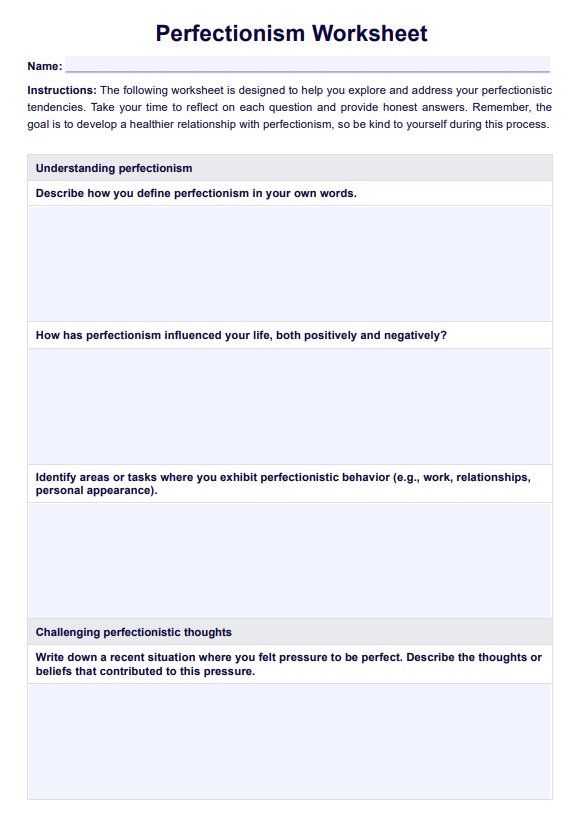
how to break fear-based thinking

When you’re continually specializing in the adverse features of your life or anticipating the worst, it can be troublesome to understand the optimistic experiences and alternatives around you. This can lead to feelings of hopelessness and despair, making it difficult to seek out joy in issues that might normally convey it out in you. Negative thinking can have a significant impact in your overall well-being and high quality of life. It can lead to a relentless state of stress and nervousness, which can take a toll on both your mental and physical well being.

If your mind perceives a menace (real or imagined), it could amplify these alerts. This is where ideas just like the fear-avoidance mannequin come into play. Imagine skipping walks because you’re afraid of aggravating again pain. Over time, this avoidance can result in weaker muscles and—you guessed it—more ache. One essential step in overcoming paranoia is studying the means to problem adverse thoughts. Our minds are inclined to latch onto worst-case scenarios and create narratives that gas our fears and suspicions.

Fear-based thinking develops and deepens when we obtain repeated messages that stimulate concern. Since fear requires all our consideration, it is a useful gizmo for the media, political events and the leisure business. When we’re in the grip of fear-based thinking we are inclined to look for strong leaders to keep us safe, however we do so without questioning whether they have our greatest pursuits at heart. The excellent news is that when you understand how these patterns are formed, you’ll find a way to start to rewire your mind, shift your responses, and create new, more healthy patterns. It’s a journey, and it requires plenty of self-compassion, endurance, and a willingness to grow. People with complicated trauma usually feel trapped in this cycle, unintentionally creating conditions, relationships, and dynamics that mirror the pain and dysfunction of their past.
Why Multitasking Is Killing Your Efficiency And How To Stop

We live in what folks call the “attention financial system,” which implies the ability to focus and focus is just as essential as other technical or management skills. It’s troublesome to create that self-discipline, but that’s the place the timer helps. Tell yourself you probably can examine whatever it’s (write it down if you’re afraid you’ll forget) when the timer goes off. I find this helps unlock my psychological area in order to simply focus on the duty. One of the biggest causes we multitask is that we now have too much to do. When we really feel overwhelmed by a unending to-do record, we leap between duties, hoping to get more carried out.

When it comes to actual multitasking magic, Loulita Gill is the name to know—balancing music, career, and household like a professional. For instance, you would possibly block out mornings for deep work, afternoons for conferences or calls, and evenings for private time. Simple content, corresponding to a story or gentle podcast, might not require much focus, allowing you to soak up info while exercising. But if you’re listening to complex material, similar to a technical book or lecture, the exercise may distract you from your ability to completely take up or comprehend the content material. Multitasking has turn out to be important to our every day routines as we attempt to manage multiple duties at once. Leslie Farin is the Publisher and Founder of 50PlusToday.

Sometimes, college students are so busy that they feel the necessity to do lots of things at once. But what students really want to do when they’re feeling careworn is relax. By enjoyable, college students can regain the focus they should do one task at a time; plus, they’ll perform better and faster. Your youngster can develop scheduling abilities by deciding how to prioritize their very own duties. You can even revisit your child’s weekly schedule or routine to make sure their time is getting used successfully. Research reveals that multitasking has several unfavorable effects on studying.

how to stop multitasking digitally

For, occasion, I use instruments to pair down and filter my e-mail. I obviously can’t be fully unresponsive (and I always answer clients proper away), so I use apps to ship every little thing else into a folder I verify sooner or later. That way, I don’t waste psychological sources multitasking on an email that could’ve been done on the end of the day. Like Muhammad, many expertise shorter attention spans because of increased social media use, making it more durable to faucet into our intuitive abilities.

However, research has shown that multitasking can lead to cognitive overload and may hamper productiveness by up to 40%. Meetings and message pings are major multitasking triggers. Audit recurring meetings, eliminate those that aren’t needed, and encourage intervals of “do not disturb” time for focused work. Executive functioning is essential as a result of that controls your decision-making expertise, planning and time management. When you attempt to do too many issues directly you end up burning yourself out and by the point the weekend comes you’re too exhausted to exit enjoying your day off. When you’re anxious your mind sends a signal to your prefrontal lobes, which is in control of government functioning, to close down.

Furthermore, contemplate implementing a tab hygiene routine. Regularly evaluation your open tabs and close any that are not wanted. Prioritize important tabs by pinning them, so that they stay visible and easily accessible even when you could have multiple tabs open. Next, manage your extensions by grouping them primarily based on their performance. For example, group productivity-related extensions collectively and people associated to entertainment separately.

Embellish them as a lot as necessary to hold yourself organized. Decide what structure will help you focus on duties probably the most, whilst you put your filtering instruments to good use. Just a quiet moment at my kitchen counter, espresso in hand, where I realized I couldn’t keep in mind the last time I sat and did one thing—just one thing—with full consideration. The day I finally admitted multitasking was ruining me wasn’t dramatic.

Over time, this overstimulation can lead to consideration deficits, irritability, and anxiousness. In a world where multitasking is usually seen as a sign of productivity, it’s easy to imagine that doing a number of things at once will get you ahead. However, analysis shows that multitasking can truly reduce productiveness and increase errors.

how to stop multitasking digitally

For example, you might need your baby keep away from multitasking throughout classes, dinner, conversations, and group actions so your baby can apply giving one task their full attention. On the opposite hand, perhaps you permit multitasking after school. For instance, your student can watch TV while texting friends after lessons and homework are complete. When these sort of tasks compete for psychological assets, one wins a student’s attention and the other loses.

Fortunately, practicing monotasking includes lots of the tips listed above, which is ready to assist you to keep away from multitasking. You might feel like you have to multitask as a outcome of you should do all of it your self. It’s simple to get into that mindset, but understand that delegation is usually a extremely effective option. When you practice delegation, you enable individuals to do different tasks that they could be higher suited to handle. It’s a method to not only give them extra autonomy, but it also provides you extra time.

This is known as the change price impact, which states that it takes roughly 25 minutes to return to an authentic task when interrupted. Additionally, take advantage of features like window snapping, which allows you to easily resize and position home windows by dragging them to totally different edges of your screen. This might help you shortly arrange and compare information from different home windows without pointless muddle. Regularly review and replace your extensions to make sure they’re nonetheless relevant and updated. Outdated extensions might battle with browser updates, leading to the opening of multiple windows. I intentionally closed all of my Google Drive tabs except those on my Google drive and the ones related to the story I was engaged on.

When we try and multitask, we subject our brains to cognitive overload. This isn’t only a fancy term; it’s a real problem that leads to mental fatigue and a shortened consideration span. Our brains usually are not naturally outfitted to handle simultaneous duties.

Intuition is the brain’s capacity to make choices primarily based on subconscious info processing and sample recognition. It depends on the rapid activation of assorted neural networks and neurotransmitters like dopamine and serotonin. What folks often name their “gut” is instinct, supported by dynamic neural networks throughout varied mind areas. Dopamine sharpens focus and enhances consideration, enabling speedy information processing.

A smartphone detox that features screen-free breaks can improve general health, reduce complications, and promote better sleep quality. A main reason for tech fatigue is its effect on the body’s inner clock. Screens emit synthetic gentle that interferes with sleep by throwing off the body’s natural rhythm, making it harder to rest and stay targeted. This problem is especially frequent in workplaces where digital units are unavoidable, leading to fatigue and reduced cognitive performance. Being conscious of the adverse effects of multitasking is a powerful first step in breaking the cycle. Think of your mind as a smartphone battery — speedy, constant usage drains it quick, needing frequent recharge.

Multitasking makes it unimaginable to know inputs accurately, i.e. the data available through the info enter part. In different words, a multitasking particular person reacts to a given scenario greater than he or she actually analyzes it. But the fact is sort of completely different, and multitasking has many limitations. Although the term multitasking was initially used in the pc business, to characterize sure operating systems, it increasingly refers to human conduct. The complete office becomes a place where people can focus and do their finest work. You’ll still have all those coupon codes and newsletters if you have time and need to read them, however they received’t be bombarding you always tempting you to spend money.

Wrapping up, you’ve seen what to do to alleviate multitasking and increase focus instead. Remember to avoid multitasking as this could result in inconsistency and poor performance at work. Finally, make positive you are taking sufficient breaks to refresh the mind. Motivation is deeply related to your mindset and the strategies you use. As psychologist and performance coach Kate Otte emphasizes, success always starts in your thoughts.

Being able to focus on one job at a time is a matter of group and discipline. Millennials used to contemplate multitasking to be an excellent and appreciable quality. Nevertheless, a current examine accomplished by Professor Andrew Lepp of Kent State University shows how multitasking declines your effectiveness. “This question is significant to ask as plenty of analysis establishes that multitasking during instructional actions meaning totally lessens studying,” Dr Lepp stated. There seems to be a strange strain within the office to be contactable by e mail almost on a regular basis.

Point out the best methods for urgent stuff, and push for delayed responses when it is not urgent. This reins in the digital flood when the workday’s done and cuts down on the want to at all times be on-line. One such software is the Digital Stressors Scale (DSS), developed to measure the perceived stress from the use of digital know-how in the workplace. This scale covers ten stressor categories, including overload from external demands and knowledge and communication overload intensified via the use of ICT​. Find out what triggers digital overload and learn the way mentoring can restore equilibrium in the modern workplace. Get to understand how Todoist can enhance your productiveness, for instance, through the sheer power of smart task management.

Research in behavioral science confirms that surroundings typically defeats willpower, and changing your digital surroundings makes wholesome choices simpler than unhealthy ones. Detox methods have become increasingly important in our digital-dominated world the place the typical American spends over seven hours every day watching screens. This fixed connectivity has revolutionized how we work, talk, and entertain ourselves, however at what cost? As our units demand extra attention, many individuals report feeling overwhelmed, anxious, and disconnected from real-life experiences.

Have you ever watched a video and thought, “Wow, this individual gets me”? Check out resources just like the YouTube Community platform for bustling boards that may lead you to teams or creators who align together with your journey. When you’re beginning recent and ready to deal with personal priorities, leaning into supportive sources can make all of the distinction. From on-line platforms to shared wisdom from others on comparable journeys, discovering the best community is like hitting the jackpot on your private progress. Here’s where these connections come into play and why they matter. On that notice, I share cool productiveness hacks (and lots of laughs) on my YouTube channel—and yes, there’s some unapologetic fun there concerning the art of making to-do lists.

Yes, it could be the customized now, however, each time you do this, you sign that your telephone is more important. It feels like a foul habit I have to cease, however sometimes I simply can’t. But additionally pulls on our attention turning into an habit for us. At George Washington University a colleague and I teach small teams of medical college students over their four years of study.

You won’t have another project poking out and reminding you that it’s not done but. Do as a lot as attainable to place your present task entrance and middle of each your mind and laptop computer screen. Like another windows you’ve open, those icons remind you of every little thing else you might have going on. Others are ongoing habits to cultivate in between “big declutters,” so another is creating a reminder for it. Finally, digital decluttering lets me higher control where my digital consideration is spent.

Another possibility is that your pc may be contaminated with malware or adware, which can trigger undesirable home windows to open. It may be as a result of issues together with your browser settings or conflicting browser extensions. Keyboard shortcuts are mixtures of keys that carry out particular actions on your computer. They eliminate the necessity to use your mouse or touchpad for each task, saving you valuable time and enhancing your productiveness.

There’s no clear proof that multitasking causes dementia. However, analysis exhibits that frequent multitasking—especially with digital media—can reduce attention span, reminiscence retention, and psychological focus over time. So, whereas it doesn’t immediately lead to dementia, it may impact how properly your brain handles info, particularly as you age.

Be affected person with yourself as you develop these skills and create a more productive work routine. When we divide our attention between multiple duties, our brain doesn’t process them simultaneously as generally believed; instead, it switches quickly from one to a different. Studies reveal that multitasking can enhance cognitive load by as a lot as 40%, causing psychological fatigue much quicker than specializing in a single task. This hidden cognitive cost means that regardless of the phantasm of productivity, multitasking truly impairs your capacity to deeply course of data and make efficient decisions.

Instead of letting it management our day, we should always control it. By making conferences higher, you’re getting rid of a major distraction. This helps create a workplace the place folks can concentrate on what really matters as an alternative of being caught in infinite meetings. Too many conferences, or ones that are poorly planned, make it exhausting to concentrate on the necessary stuff. When people spend hours in conferences they don’t really need, there’s not a lot time left for actual work.

This information supplies priceless insights into your digital habits and identifies particular areas for enchancment. For occasion, discovering that you spend three hours every day on social media may encourage you to ascertain boundaries round these platforms. Studies show that most individuals underestimate their display time by 50% or more, and correct data eliminates the denial that often prevents constructive change. Our brains are designed to focus on one factor at a time, so multitasking really means you’re jumping from one task to a different, then back again.

In this state, your productiveness and creativity reach their peak, and time seems to move effortlessly. Achieving circulate is sort of inconceivable when multitasking as a outcome of distractions and interruptions pull you out of the zone. Some are more urgent or essential than others, and prioritizing them can help you give attention to what matters most.

Here’s what you can do to empower your group to keep away from digital overload, handle their digital lives, reduce stress, and finally enhance their engagement and overall performance. Digital overload directly impacts productiveness, worker well-being, and the overall health of the workplace. Recognizing and addressing its triggers will help you improve effectivity, reduce stress and burnout, and create higher work-life stability for your staff. Besides e-mail, social media, on-line news, messaging apps, and other digital platforms add to the loss of productiveness and digital overload. The first thing you and your child ought to talk about is when multitasking is OK and when it isn’t.

It fragments our attention and diminishes our presence—not simply at work, however in our relationships, our creativity, and our sense of peace. Back when I was working in finance, I had a habit of preserving 8-10 browser tabs open always. One was for analysis, one for project docs, one for consumer reviews, one for the weather (don’t ask)—you get the image. Watching YouTube videos while doing homework is likely to be unproductive, but there are some duties that could be carried out whereas doing schoolwork.

According to “attention financial system” studies, modern society receives an extreme quantity of information. As Herbert Simon, an economist and psychologist, said, “a wealth of information creates a poverty of attention.” To cope, we must multitask, despite its inefficiency. Multitasking sometimes refers back to the act of doing a quantity of issues at once. This can be physical, like washing dishes while speaking on the phone, or psychological, like serious about what you will say when it’s your turn whereas listening to your team member’s presentation. Information and tools are digital in the modern work environment, and we plug right into the information stream as quickly as we arrive. It’s not long earlier than the stream turns into a river, and our duties turn into rocks and boulders demanding our focus as we experience the rapids of our day.

Virtual students are particularly susceptible to multitasking as a outcome of they’re surrounded by digital distractions. When students attempt to multitask while finding out, they usually fail with out realizing it. Examples of multitasking at school may look like checking their phone whereas attending a class or watching videos or TV whereas doing homework. A scattered strategy is the proper breeding floor for distracting switchtasking, as a outcome of you’ll all of a sudden suppose ‘ooh, I need to do this thing, too’, and get away of your focused mindset. Flow is essentially the opposite of multitasking, when you’re focused on one thing, intensely, and you’re completely absorbed.

This will allow you to clear one task rapidly and with accuracy, earlier than transferring onto the following one. Most of the interruptions folks face nowadays emanate from cell phones and other technological gadgets. These are an embodiment of our day by day lives to the extent of interrupting tasks.

We’ll try to complete components of such duties while we are imagined to be specializing in something else. When multitasking, we regularly swap our focus from one thought or exercise to another. At one second we are engaged on exercise A, and the subsequent minute, we are thinking of how to complete activity B. In different words, we are paying attention to the duty at hand at one moment and shifting our focus away from it the subsequent minute. Keeping ourselves alert and conscious, together with shifting, focusing, and sustaining consideration, are probably the most energy-intensive things our brain can do.

But spending too much time with digital gadgets can be detrimental to personal relationships and even dangerous. If you are apprehensive about missing an emergency, set a timer to check your cellphone often set a timer to examine your cellphone at regular intervals. It’s the ping, ping, ping which prompts your stress response, throws off your focus, and increases your distractibility to other interruptions.

Put your telephone in a drawer and let the individuals round you know to not disturb you unless it’s an emergency. If you consider an email or text you need to ship, make a remark of it after which get back to your project. Technology and remote work are here to stay which means staff will still be grappling with the issue of “when to work” and “when to play” for a couple of years to return. This means every worker must create boundaries with themselves around once they start work, after they take breaks, after they check email, and when they end work.

And, it helps us discover revolutionary solutions and learn more shortly. A digital detox is not a rejection of recent life however a conscious recalibration of how one engages with it. By combining structured intention, sensible boundaries, and reflective awareness, people can reclaim attention, emotional calm, and genuine connection each online and offline. When you create space for studying, you absorb and apply new data more effectively. “So the consequences of multitasking rely upon how it’s accomplished, how usually and whether it involves intentional skill-building versus persistent overload,” mentioned Salinas.

When you’re not well-rested, you are inclined to have much less vitality and be extra impatient, making deep concentration that much more durable to achieve. To produce great results, you want to organize your life around crucial duties, which, it goes with out saying, should allow you to make progress towards your most necessary goals. The main thing to hold in mind is to decide on ONE most necessary task every day. When we align our consideration with His priorities, we start to experience clarity, vitality, and pleasure, right the place we’re. That short pause provides your brain time to withstand the default.

Breeze presents “to-dos” and “tasks” features to set objectives. Results may be added as “to-do lists” and “task lists” and can be tracked effortlessly. Time batching is a proven time administration technique that may help individuals and teams complete all planned duties efficiently with minimal distractions.

We’ve all been there — we’re within the move, engaged on an necessary task once we’re interrupted by a telephone call, social media notification, or a team member. Our focus disappears — and it typically takes a very long time to recover. When we try to multitask, what’s actually happening is that the brain is quickly shifting its focus forwards and backwards between the two jobs — a process generally recognized as task switching.

Time blocking is another time management approach the place every minute of your day is accounted for. In this strategy, you may be required to divide your day into blocks of time and then add tasks or activities within each block. Every task to be achieved is pre-scheduled, so all duties may be accomplished on time.

This constant partial attention prevents your brain from engaging within the deeper processing needed for robust reminiscence formation. It’s like making an attempt to drive with one foot constantly hovering over the brake – you never reach full cognitive velocity. When you’re well rested and take short common breaks throughout the day your brain is totally refuelled and ready to focus in on the work that’s essential. You probably rigorously nod your head and say, “Ugh, sure, me too! ” everytime you hear somebody say they’re a huge multitasker.

Trust me, those messages will still be there whenever you return. Intuition emerges from the intricate interaction of neural networks and neurotransmitters, enabling rapid decision-making based on subconscious processing. Dopamine and serotonin play key roles in modulating attention and emotional states, influencing intuitive reasoning. While digital overload poses significant challenges, latest neuroscience advances and technological options offer promising ways to counter these effects. Emerging technologies like neurofeedback and brain stimulation can additional enhance intuitive talents. Neurofeedback trains people to change brain exercise patterns, leading to improvements in attention and decision-making.

In a world filled with distractions, multitasking is a common response—even although research exhibits it lowers productiveness. You cannot keep away from distractions if you don’t even know what to do as a task. A to-do record will assist you to plan your day’s activities so that you simply can avoid getting any distractions. Remember to incorporate a few minutes or hours for relaxation as you continue to need to take breaks. You can make the most of this free time to examine your phone and respond to different distractions.

The most sure method to cease multitasking is to only start with something if you end up positive that the earlier one will not maintain approaching again to you. When one task is over to closure beforehand the next one, it increases up your output momentum. Whereas, making a hotchpotch of numerous duties, whether basically linked to every other or unrelated, is all the time a tripping block in your progress. The solely assured way of dodging multitasking is to retain your telephone switched off or at minimal far out of your attain. Doing this, you will make certain there could be nothing to pander to you in multitasking and you’ll be more concentrating on one thing your lecture.

This will make it simpler to navigate and manage your extensions. Although it was tough initially, I soon found myself relieved and free to assume only concerning the writing project. I’ve been attempting to carry this ahead with me since then, however it’s two steps forward and one step back. When it works, my concentration is extra substantial, and I feel calmer.

Your prefrontal lobes need a break and so as so that you can perform the next day you want time in between to rest and recharge. When our minds wander, we’re normally excited about the laundry record of actions we want to get accomplished every day or we’re serious about the struggle we had with our mom per week ago. If you squeeze each second of your working hours, you’ll feel exhausted, and your brain will compensate for the tiredness by diverting your focus between tasks. So it’s higher to take intentional rests than to multitask, which ends up in mediocre output.

Instead of doing two duties at 100 percent, you might end up doing every task at 50% of your functionality. As we mentioned before, the cognitive work of multitasking is important. Your mind wasn’t designed to work on a couple of task at a time, and it’s happier when it doesn’t need to.

This constant switching can lower general productivity as it takes time for your mind to re-orient itself to every task. When you’re distracted by multiple duties, your ability to speak successfully, both in written and spoken type, can undergo. This can have adverse consequences in private and skilled settings.

In addition, heavy multitaskers are worse at filtering out irrelevant data than mild multitaskers and these that don’t multitask. Heavy multitaskers are slower at finishing a task as a result of they battle to disregard the things they need not complete it. Yet many of us really feel compelled to multitask, whether or not that’s replying to an e mail whereas fixing a bug in your code or reading JIRA points whereas talking to a colleague. A quiet and organized workspace helps your brain focus better. You were washing the dishes concurrently listening to an audiobook.

The objective is to create a transition from sleep to productivity that prepares you to focus deeply. By resisting the urge to check your inbox first thing, you’ll create space for focused work and set a proactive tone for the day. It’s tempting to examine your inbox as soon as you wake up. This reactive start to the day disrupts focus and makes it harder to transition into meaningful work.

86% of online meeting members are texting, 75% are doing different work and greater than half are doing on-line buying, based on a survey conducted by Quality Logo. Boundaries are key when you’re making an attempt to be extra targeted. ‘The common particular person checks messages ten occasions per hour,’ says Dave. Each check incurs a value of a quantity of minutes, which means that the typical person’s work hour is minimize into small items increasing stress, errors, and lost time. ‘You begin by figuring out – in a single central location – everything you want to do and wish to do,’ recommends Tamara. ‘This helps you get a agency grasp on all of the calls for in your time and a focus.

Being distracted then a couple of minute later after which doing one thing else after which doing one thing else a couple of minutes after that. So it’s actually, it’s also single tasking actually, however simply doing it minute by minute, not making any progress on any of these items. Feeling annoyed, not knowing what you were meant to be doing initially. Task switching, the aspect of multitasking usually studied in scientific analysis, is now understood by most to negatively affect performance. Task switching results in cognitive overload and a psychological drag on efficiency, as you’re still serious about the last activity as you begin the following activity. Leaders can create a work surroundings free from distractions, the place people can concentrate on doing necessary, high-quality work.

In the office, you had a devoted house which you used just for work. Your brain was wired to postpone other menial duties and focus solely on the current work. This helped you keep away from multitasking your personal tasks whereas on the office. One wonderful method you can accomplish more daily is by time blocking. This is setting apart specific blocks of time to finish sure tasks. For example, from 7am-8am you could determine to mark for exercise.

And one of the greatest distractions in our day to day is our e mail or message notifications. When we’re at work, we are ready to really feel pressure to be reachable by e mail or instant messaging platforms (Slack, Teams) at all times. Something else that can assist us to stop task switching is being in control of our distractions. Even from a neuroscientific perspective, task switching is exhausting since it’s depleting our brain’s energy reserves.

For instance, someone might be researching the net for data on real estate and rapidly take a glance at the Facebook or Twitter tab. As much as this will only take 5 minutes per check, you will end up checking more than once. Put together; you will understand how much time you’ve wasted in your day.

Even after I assume I can just “ignore it,” phones are designed to get your consideration. If any of those are present in my workspace, meaning I’m multitasking — whether or not I need to admit it or not. Educating your self on the reality behind productiveness might help you start to withstand the urge. It may be somewhat uncomfortable at first, particularly if your work culture reinforces multitasking. The prefrontal cortex is liable for executive management, which permits us to focus on relevant data and ignore irrelevant stimuli. This capability declines with age, which is why younger adults are better at multitasking than older adults.

In this method, we create batches or teams of comparable activities. Next, we block time for engaged on the batched duties in a logical sequence. Try time batching if you have problem concentrating on the duty at hand and have a tendency to get simply distracted. The stress to multitask can significantly increase stress levels and anxiousness. The overwhelming feeling of getting too many duties to juggle can lead to chaos and eventually burnout. According to the American Psychological Association, continual stress is linked to extreme mental health circumstances, including melancholy and anxiousness disorders.

The natural ebb and circulate of those duties would possibly profit from a extra versatile, adaptable strategy. Understanding this helped me drop the shame (and my ego-pride relating to my “multitasking superpower”) and begin working with my mind instead of towards it. The truth is, I’ve been struggling with this for years, and I’m finally doing one thing to cease multitasking and discover ways to focus. These are the issues I’m attempting proper now — what’s really helping, what’s not, and what I’m nonetheless determining alongside the means in which.

At Optimal Brain Refresh, we’ve seen how multitasking can hinder productiveness and drain mental energy. Studies present that multitasking can reduce productivity by up to 40%. That’s like working a full day however only getting six hours’ value of labor carried out. Social media often results in unhealthy comparability, FOMO (fear of lacking out), and unfavorable self-perception. Reducing display screen time allows you to connect with your self, practice gratitude, and strengthen real-life relationships. Single-tasking, or specializing in one task at a time, has quite a few benefits which can considerably improve productivity and the quality of labor.

Whether it’s a result of unintended clicks or misconfigured settings, the constant cluttering of our screens can hinder productiveness and frustrate even the most patient of customers. Fear not, for this text goals to supply a comprehensive guide on the method to cease multiple home windows opening and streamline your digital experience. With a couple of simple suggestions and tricks, you’ll be able to regain control of your workspace and create a extra seamless and environment friendly workflow. In conclusion, whereas multitasking might appear to be a intelligent method to handle our time, it could have adverse results on productiveness, creativity, and psychological well being.

Chronic multitasking has even been linked to adjustments in consideration control and working reminiscence, and it could reduce the brain’s capability to filter out irrelevant information. One of essentially the most essential abilities for multitasking is effective time management. When juggling multiple tasks, it’s straightforward to lose track of time or get caught up in a single task for too long. Time administration helps be positive that you allocate sufficient time for each task and that you simply’re not dashing through important duties.

For example, you may be learning for a test whereas also texting a friend or watching a video. When you multitask, you drive your brain to change back and forth, which makes it exhausting to do either task properly. Also, carrying out different tasks on the same time usually results in rework or shoddy results. While you would possibly suppose that you simply accomplished the task at hand before time, you may be required to begin over again if another person checks your work. Discover the adverse effects of extreme web use on psychological well being and be taught sensible strategies to reduce and forestall it. It’s about discovering the sweet spot between single-tasking’s focus and the dynamic wants of specific duties or situations.

In today’s fast-paced digital world, harnessing the best technology could be a game-changer for sustaining focus. Tools like web site blockers, noise-cancelling headphones, and dedicated productivity apps help create an surroundings conducive to deep work. By customizing notifications to only provide you with a warning throughout critical moments, you cut back interruptions and defend your flow from the constant barrage of digital noise.

When we do away with interruptions and concentrate our vitality on one activity, the outcomes are exceptional. In our hectic, time-limited world, methods to spice up efficiency are essential. But multitasking – whereas seeming like a super productiveness answer – is definitely a hindrance to our focus and task completion. For example, dedicate sure days or time blocks to particular forms of work. This strategy reduces cognitive overload and lets you work extra efficiently. Even when you don’t have time for an intensive morning routine, a couple of intentional minutes could make all of the distinction.

However, studying to concentrate on a single task can actually enhance your well-being and productiveness. Because we are most likely to overestimate our multitasking abilities, it helps to set rules round what duties deserve your full attention. For example, I let myself hearken to music or an audiobook whereas driving, since they require little or no interaction. I realized very quickly that although listening to overseas language lessons or taking a phone name seemed like the same factor, the cognitive load was a lot completely different. Neuroscience research exhibits that once we attempt to do two complex duties at the identical time, our mind does not truly multitask. Instead, it quickly switches backwards and forwards between the 2 duties.